
Fitness & Wellness
Bachata for Fitness: How Dancing Improves Balance and Strength
Bachata isn't just fun — it's a real workout. Learn how partner dancing helps with flexibility, core strength, and staying active after 45.
Why Bachata Works for Your Body
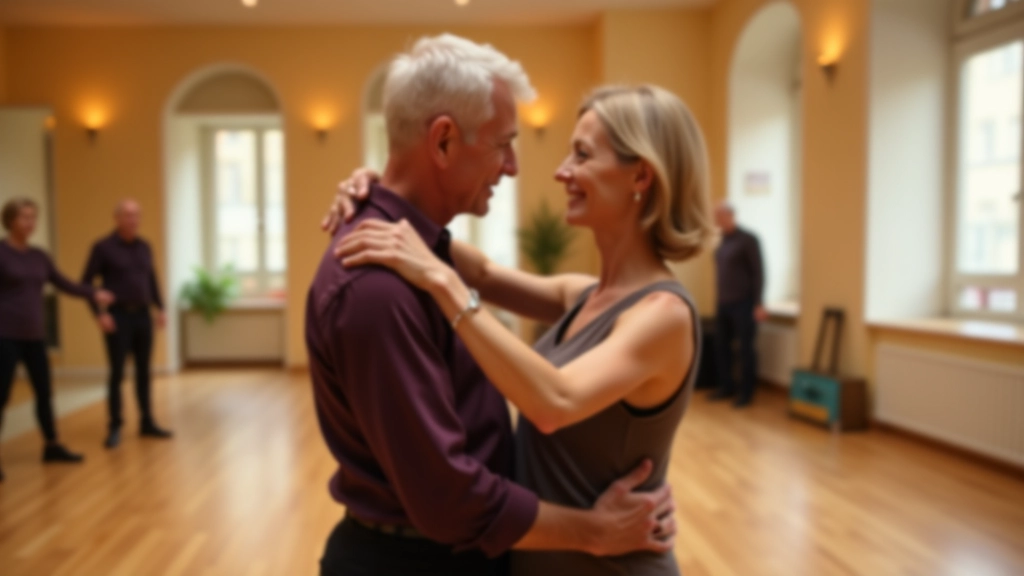
When you think about fitness, dancing might not be the first thing that comes to mind. But here's the thing — bachata combines cardio, strength training, and balance work all at once. You're not just moving to music. You're engaging your core, improving your posture, and building real physical resilience.
We've seen people in their 50s, 60s, and beyond transform how they move and feel within weeks of starting regular bachata sessions. The beauty is that it doesn't feel like exercise. It feels like dancing with a partner to songs you actually enjoy.
Balance and Stability: The Foundation
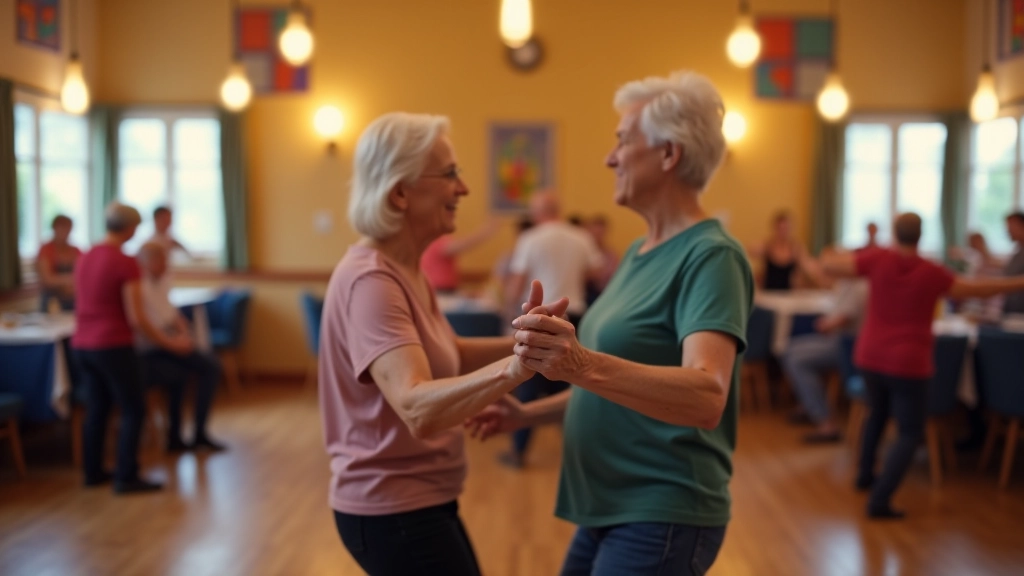
Balance isn't something you're born with or without. It's a skill that improves with practice. In bachata, you're constantly shifting weight between feet, adjusting your center of gravity, and responding to your partner's movements. This constant micro-adjustment strengthens the small stabilizer muscles in your ankles, knees, and hips.
Most people don't realize they've lost balance capability until they trip on a step or feel wobbly reaching for something. Bachata addresses this directly. Within 6-8 weeks of consistent practice, you'll notice you're more stable walking on uneven surfaces, climbing stairs feels easier, and that confidence comes back.
The Balance Benefit
Partner dancing requires constant weight shifts and directional changes. Your proprioception — your body's sense of where it is in space — improves dramatically. Falls are one of the biggest health concerns for people over 50. Bachata actively prevents that.
Core Strength Without the Gym
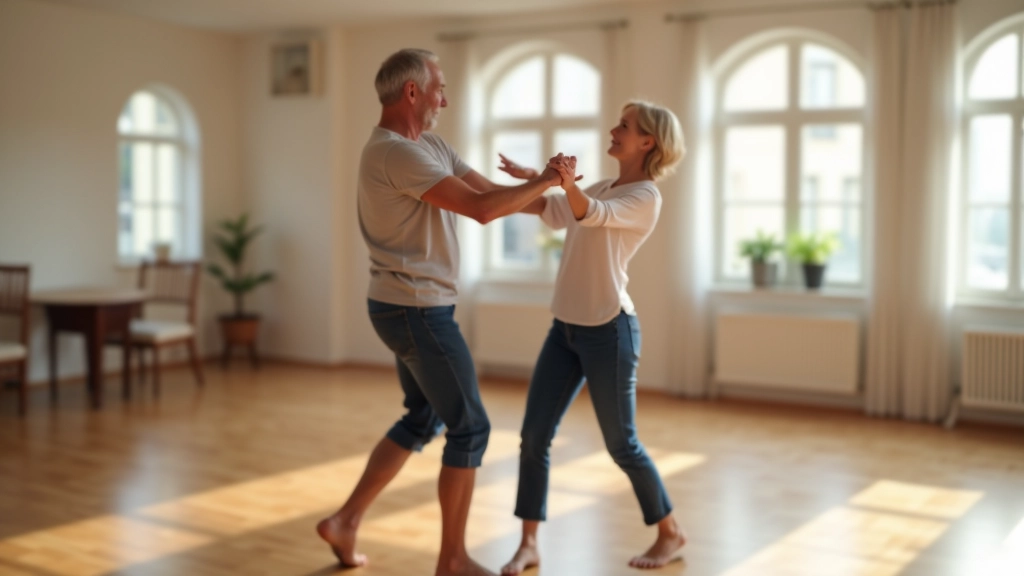
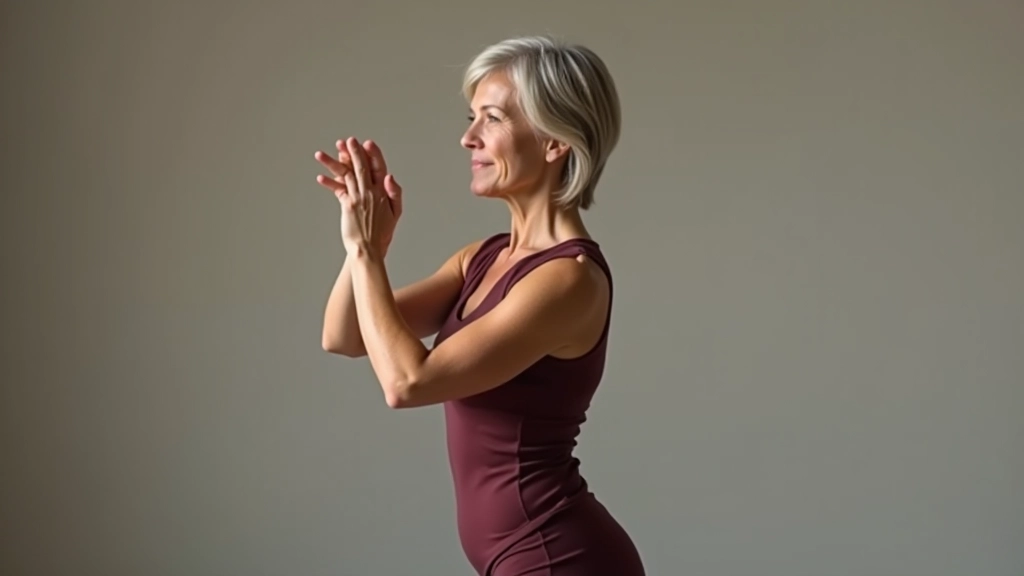
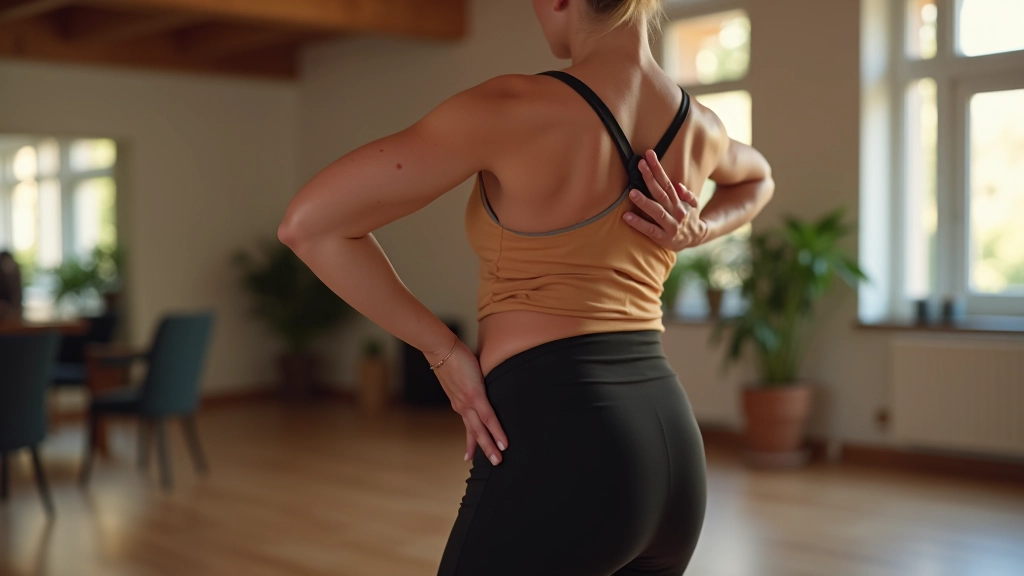
Your core isn't just your abs — it's the muscles that stabilize your entire spine and support your posture. Bachata demands constant core engagement. When you're following or leading, you're maintaining tension in your abdominals, lower back, and obliques throughout the entire song.
The difference between bachata and traditional core work is that it doesn't feel repetitive. You're not doing 20 crunches. Instead, you're holding yourself in proper alignment for 3-4 minute songs, usually for 30-45 minutes per session. That's real, functional strength.
- Improved posture that lasts throughout the day
- Reduced lower back pain from proper spinal support
- Better breathing and lung capacity
- Enhanced stability during daily activities
Continue Your Learning
Flexibility and Joint Health
Bachata involves smooth, flowing movements through a full range of motion. Your hips, shoulders, and spine move in ways that traditional exercise often doesn't engage. This consistent, gentle stretching throughout the dancing session improves your flexibility without the discomfort of sitting on a mat doing static stretches.
People often think flexibility is just about touching your toes. But real flexibility means your joints can move through their full range safely and with control. That's exactly what happens in bachata. Your hip joints, which tend to get tight as we age, stay mobile and healthy.
After 10-12 weeks of regular sessions, people report significantly less joint stiffness when they wake up. Movements that used to feel restricted become natural again.
Building Strength You Can Feel
Leg strength is crucial as we get older. It affects everything from walking to climbing stairs to standing up from a chair without struggling. Bachata builds leg strength through weight shifts and the constant push-off movements required to dance properly.
You're not doing squats or lunges — you're building strength functionally through movement that feels natural. Your quadriceps, hamstrings, and calf muscles all work together to support those smooth bachata steps. It's strength training that doesn't feel like a workout.
30-45
Minutes per session
2-3
Sessions per week (recommended)
6-8
Weeks to notice real changes
Important Note
While bachata is an excellent physical activity, it's not a substitute for medical advice. If you have existing joint problems, cardiovascular concerns, or haven't exercised in a long time, consult your doctor before starting any new fitness program. A good instructor will help you modify movements to suit your body, but your health comes first. Start slowly, listen to your body, and progress at your own pace.
The Real Results
Bachata offers something rare in fitness — a workout that doesn't feel like work. You're improving balance, building core and leg strength, increasing flexibility, and doing it all while moving to music with a partner. That's not just exercise. That's living better.
The people who stick with bachata aren't doing it because they have to. They're doing it because they genuinely enjoy it. And that's the secret to lasting fitness — finding something you actually want to do.