
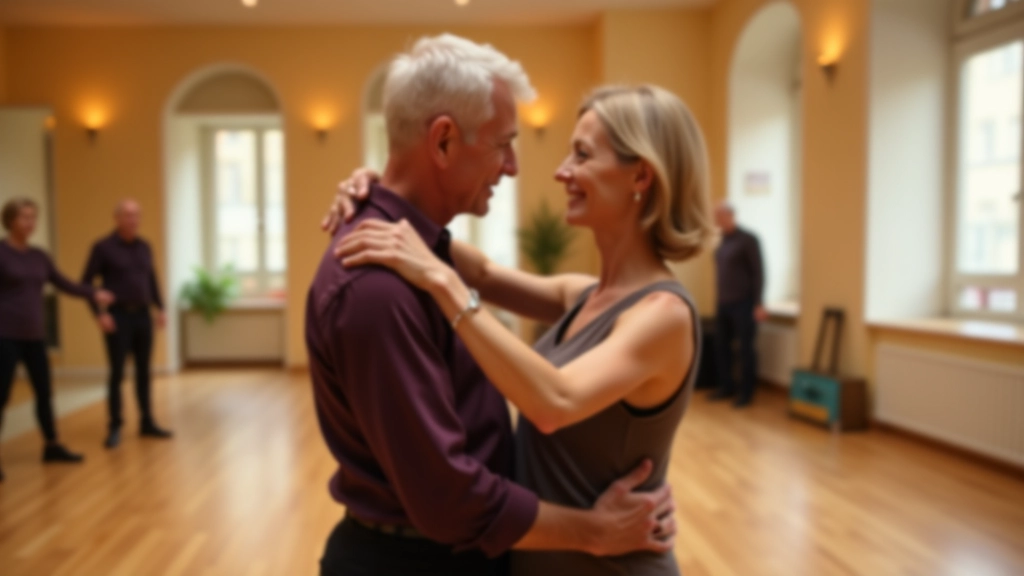
Dance Communities Over 45: Making Friends While You Move
It's not just about learning the steps. When you walk into a dance studio in Daugavpils or any city across Latvia, you're walking into a community where people genuinely care about each other. We talked to dancers, instructors, and organizers about what really happens when people come together on the dance floor.
The Real Story Behind the Dance Floor
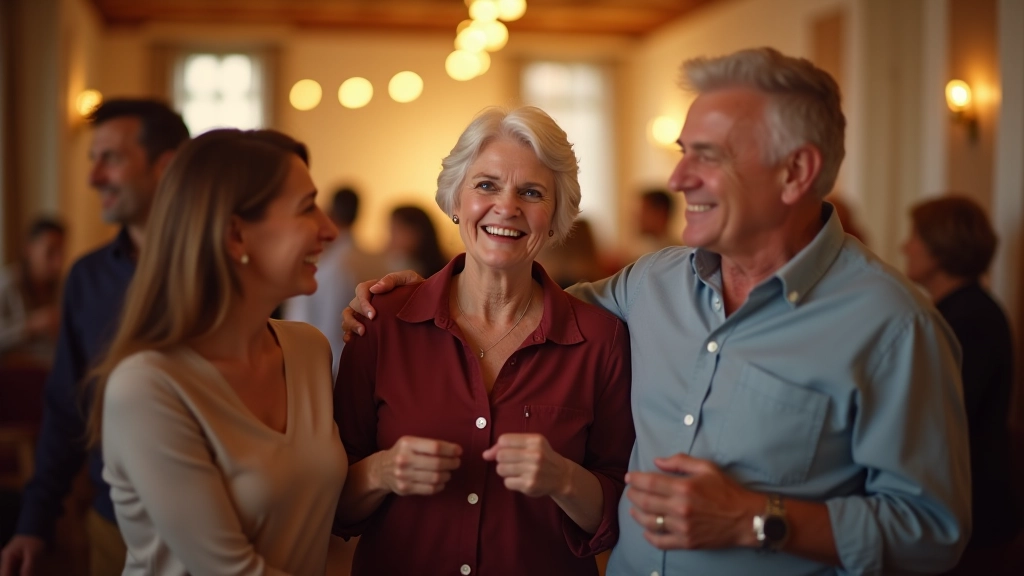
When Inta first started attending dance classes at the Daugavpils Community Centre three years ago, she was nervous. She'd been dancing since she was young but hadn't stepped into a studio since her 30s. What she didn't expect was the friendships that'd follow. She's now part of a group of eight women who not only dance together twice a week but also go for coffee afterward, celebrate birthdays together, and even took a weekend trip to Rīga last summer.
This isn't unusual. Across Latvia, from Jelgava to Rīga, dance communities for people over 45 are thriving. They're not exclusive clubs — anyone can join. But something happens when people come together with music, movement, and a genuine willingness to support each other. Friendships form naturally. People who felt isolated suddenly have a reason to get up on Saturday morning.
47
Active dance groups for 45+ in Latvia
6+
Years average member stays
3-4
Sessions per week across centers
Why Dance Creates Real Connections
There's something about moving together that breaks down walls. You're not sitting across from someone at a coffee table making small talk. You're literally moving in rhythm with them, spotting them when they lose balance, celebrating when they nail a new turn. It creates a kind of trust that doesn't happen in many places.
Partner dances like bachata and salsa are especially powerful. You're holding hands, you're moving as one unit, you're communicating without words. When you spend an hour doing that with different partners, you learn about people quickly. You discover who's patient, who's playful, who's encouraging.
Plus, there's the practical side. You're both showing up every Tuesday and Thursday. You're both working toward the same goal — learning the choreography for the summer showcase. You've got a reason to text someone: "Are you coming tonight?" That consistency matters.


Finding Where You Belong
The beautiful part? You don't need to be good at dancing to join. Most communities have classes for absolute beginners. You walk in on week one knowing nothing. By week four, you're learning basic rhythms. By week twelve, you're part of something real.
Aldona, who leads a bachata group in Jelgava, puts it simply: "People come because they want to dance. They stay because they found their people." Her classes start with 12-15 people and most have been coming for 2-3 years. Some have been there since she started five years ago.
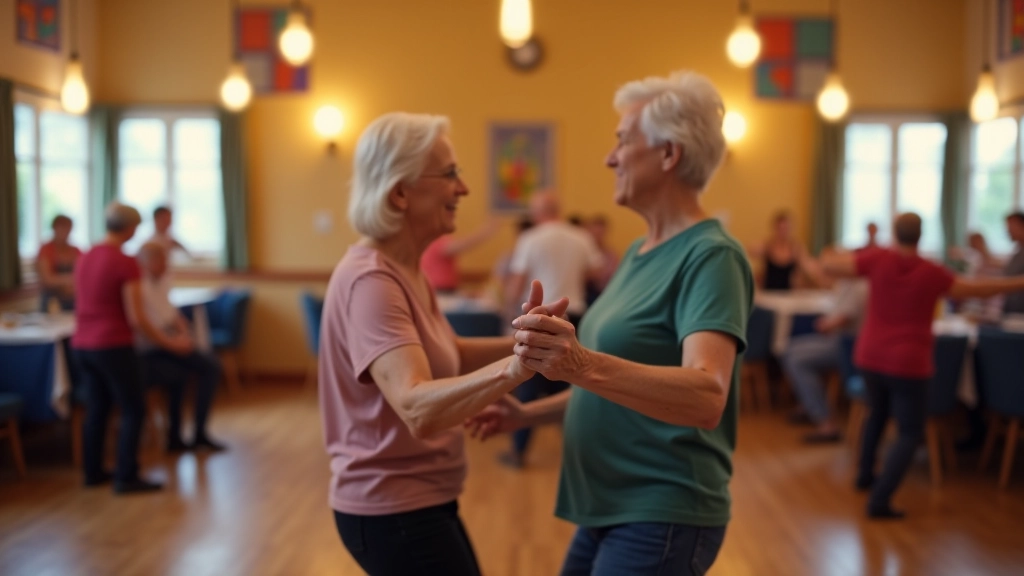
What's remarkable is the diversity. You've got retirees, people still working, widows, couples dancing together, folks recovering from health challenges. Everyone's just trying to move their body and have a good time. That's it. There's no judgment about your level or your age or why you're there.
About This Guide
This article is informational and educational in nature. It shares experiences and insights from dance communities across Latvia. Before starting any new physical activity, especially if you have health concerns or physical limitations, we recommend consulting with your doctor or healthcare provider. Dance communities vary in structure and approach — we encourage you to visit local studios, ask questions, and find what works best for your needs and comfort level.

The Door Is Open
If you're thinking about joining a dance community, the hardest part is walking through the door the first time. Once you're there, you'll find people who've felt exactly what you're feeling. You'll find instructors who understand that you're not training to be a professional dancer — you're there to move, to laugh, and to connect with people who get it.
The communities across Latvia — in Daugavpils, Jelgava, Rīga, and smaller towns — aren't exclusive. They're waiting for you. And they're not just waiting for your dancing skills. They're waiting for you.